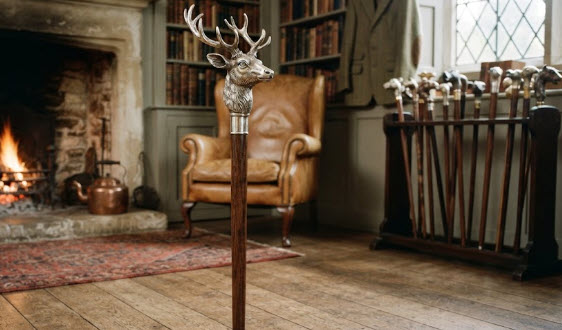
Stepping into History: The Art and Allure of Collecting Walking Sticks
Once an indispensable emblem of status, fashion, and authority for the well-dressed gentleman or lady, vintage and antique walking sticks have evolved into one of the most fascinating and diverse niches in the UK antiques market. Stepping away from modern, clinical mobility aids, collectors today are rediscovering these miniature works of art not just for their rich history, but as a wonderfully rewarding hobby.
If you are thinking about starting a collection, here is everything you need to know about the finest sticks to look out for, the materials and craftsmanship behind them, and what is currently happening in the UK collecting scene.
1. The Head: Figures, Animals, and Curiosities
The handle—or “knob”—is usually the star of the show, dictating both the character and value of a walking stick. During the Victorian and Edwardian eras, craftsmanship knew no bounds.
Carved Animal & Human Heads: You will frequently encounter intricately carved handles shaped like hunting dogs, horses, owls, lions, or whimsical human caricatures and historical figures. These were often carved from boxwood, ivory, horn, or cast in metals like brass and bronze.
The Horse Connection: Equine themes are exceptionally popular among British collectors. A handle shaped like a horse’s hoof, a polished horse head complete with a bridle, or a carved riding crop handle reflects the deep equestrian heritage of 19th-century Britain.
System and “Gadget” Canes: For those who love a hidden surprise, some of the most sought-after sticks feature secret compartments. Victorian gentlemen loved “gadget canes” housing everything from hidden glass liquor flasks and pocket watches to measuring tapes, compasses, or even umbrellas and blades.
2. Silver Bands, Monograms, and Coats of Arms
Many high-end walking sticks feature a decorative metal collar or band sitting just beneath the handle.
Hallmarks and Silver/Gold Bands: A precious metal band is often a marker of quality. On British antique sticks, silver bands frequently bear Chester, Birmingham, or London assay office hallmarks alongside date letters, allowing collectors to pinpoint the exact year and maker.
Personalisation: These bands were often engraved with the original owner’s initials, a monogram, or a significant date.
Presentation and Commemorative Sticks: Sticks carrying a finely engraved silver plaque or a family coat of arms are known as “presentation canes”. These were given to mark retirements, military achievements, or political milestones, carrying a distinct provenance that heavily boosts their collectibility.
3. The Anatomy of the Shaft: What Are They Made Of?
The variety of woods and materials used for the shaft tells a story of global trade, wealth, and local British craftsmanship during the height of the British Empire.
Exotic Woods: Highly prized imported woods include Malacca (a type of rattan with a distinctive mottled finish), partridge wood, ebony, and bamboo. These were symbols of status and worldly travel.
Native Hardwoods: British traditional woods like oak, ash, thorn, hazel, and boxwood were widely used, often shaped by regional folk artists into rustic, charming walking or hiking sticks.
The Ferrule: Don’t forget to look at the very bottom! An original brass, iron, or silver-capped tip (ferrule) protects the wood and adds integrity to the piece.
4. Are They a Good Investment?
Walking sticks occupy a sweet spot in the antiques world: they are decorative, space-efficient (easy to display grouped tightly together in an old umbrella stand or wall rack), and still relatively accessible.
Value Drivers: Common Victorian wooden sticks with simple horn handles can still be found for modest prices (often £30 to £80). However, rare pieces—such as fully silver-headed animal carvings, signed makers, or clever system/gadget canes—easily command hundreds or even thousands of pounds at specialized UK auction houses.
Market Outlook: While they aren’t volatile financial assets, quality pieces with unique craftsmanship or historical provenance hold their value remarkably well and tend to appreciate steadily as supply diminishes.
5. The Latest on Collecting Walking Sticks in the UK
Interest in walking sticks has seen a quiet revival across the UK.
Display over Function: Modern collectors rarely buy them to walk with; instead, interior designers and vintage enthusiasts prize them for adding eclectic, gentleman’s-study charm to modern homes. Grouping a dozen diverse sticks together creates an incredible vertical display.
Where to Look: While traditional regional antique fairs and country house auctions remain treasure troves, online specialist platforms and virtual auction catalogues have made it much easier for UK collectors to source rare pieces from across the country.
Starting a Theme: Many new collectors find success by focusing on a specific sub-category—such as focusing purely on canine-headed handles, British folk art sticks, or silver-banded presentation canes—to give their collection a clear narrative.
Are you thinking about hunting down your first walking stick, or do you already have a particular style—like an animal head or a silver-banded piece—caught in your eye?