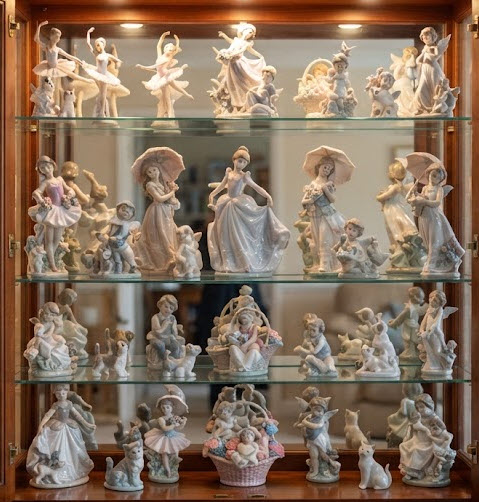
Founded in 1953 by the Lladró brothers in Spain, Lladró has evolved into a global phenomenon, captivating collectors worldwide. The brand’s enduring international appeal stems from a combination of master craftsmanship, emotional resonance, and strategic scarcity.
Each figurine is meticulously handcrafted and hand-painted in Valencia, showcasing signature pastel palettes, graceful forms, and intricate details like delicate floral petals. Beyond aesthetics, Lladró pieces capture universal human emotions—tenderness, innocence, and celebration—giving them deep sentimental value.
The Timeless Appeal of Lladró: A Comprehensive Guide to Collecting Porcelain Figurines
Renowned worldwide for their soft pastel palettes, graceful realism, and ethereal translucency, Lladró figurines occupy a prestigious place in the realm of fine decorative art. Originating from a small family workshop in Spain, Lladró has evolved into a global luxury brand, capturing the hearts of millions of collectors.
Whether you have inherited a prized family heirloom, discovered a piece at an estate sale, or are looking to curate your own showcase cabinet, understanding the nuances of Lladró collecting requires a blend of art appreciation, historical knowledge, and technical savvy.
1. A Brief History: From Almàssera to Global Prominence
The story of Lladró is a classic tale of mid-century entrepreneurial vision. In 1953, three Spanish brothers—Juan, José, and Vicente Lladró—began crafting ceramic plates and vases in a small Moorish furnace in Almàssera, near Valencia, Spain.
The Shift to Sculpture (1956): By the mid-1950s, the brothers shifted their focus toward artistic porcelain sculptures. They experimented extensively with firing temperatures and glazing techniques, eventually developing the signature pastel, matte-to-soft-gloss finish that defines the brand today.
The “Lladró Style”: Abandoning the heavy, dark tones typical of classical 18th- and 19th-century European porcelain, Lladró leaned into romanticism, family warmth, childhood innocence, and deep cultural motifs (such as Spanish dancers and religious icons).
International Expansion: Throughout the 1960s and 70s, the brand exploded onto the international market, opening flagship boutiques and captivating collectors across the Americas, Europe, and Asia.
2. Anatomy of Authenticity: Understanding Backstamps and Hallmarks
One of the most critical skills for a collector is identifying and dating a Lladró piece. Because counterfeits and look-alikes (such as Nao, a more affordable subsidiary line by Lladró) exist, inspecting the base is paramount.
Lladró pieces feature distinctive backstamps that evolved over distinct eras:
| Era | Primary Hallmark / Characteristics |
| 1950s (Early Period) | Often completely unmarked or bearing simple, handwritten signatures of the family name. |
| 1960–1970 | A stylized, abstract “Lladró” logotype accompanied by the words “Made in Spain”. |
| 1971–1974 | Introduction of the iconic blue bellflower logo (resembling a stylized tulip or bell) alongside “Hand Made in Spain”. |
| 1974–Present | Refined versions of the blue bellflower stamp, accompanied by the “Lladró” script and “Hand Made in Spain”. Modern pieces also feature a unique 4- to 5-digit model number engraved or impressed into the porcelain. |
Collector Tip: Always look for impressed or incised numbers directly in the clay base alongside the blue ink stamp. For modern pieces, you can often enter these reference numbers directly into official Lladró databases to confirm the official title, sculptor, and production status.
3. Categories and Special Collections
Lladró’s catalog spans tens of thousands of individual designs. To build a focused collection, many enthusiasts specialize in specific themes or production tiers:
Classic & Romantic Figural Groups: Depictions of serene mothers, children, classical maidens, and romantic couples. These form the backbone of vintage Lladró.
Flora, Fauna, and the Gres Collection: Introduced in the 1970s and 1980s, the Gres line uses an earthy, unglazed or matte stoneware finish that provides rich, natural textures—frequently utilized for animals, monks, and wildlife.
High Porcelain (Alta Porcelana): The pinnacle of the brand’s output. These are massive, incredibly intricate, highly limited masterpieces (often retailing in the thousands or tens of thousands of dollars) representing the absolute limit of ceramic engineering.
Collaborations and Pop Culture: Lladró has partnered with high-end luxury houses like Baccarat (fusing porcelain with cut crystal) as well as major entertainment brands like Disney, producing highly sought-after limited collector editions.
4. Factors Affecting Value and Desirability
Not all Lladró figurines are created equal. While common open-edition pieces hold sentimental and modest market value, others command steep prices. Value is dictated by several core metrics:
Retirement Status: When Lladró stops producing a specific model, it becomes “retired.” Retired pieces generally appreciate over time because supply is permanently capped.
Edition Type: Open editions are produced widely, whereas Limited Editions (often accompanied by hand-written serial numbers and certificates of authenticity) are strictly constrained, driving up secondary market demand.
Complexity and Scale: Larger, multi-figure sculptures with complex elements (such as cascading lace, intricate flower petals, or thin reins on horses) require immense skill to fire without warping, making them rarer and more valuable.
Condition: Porcelain is fragile. Mint-condition pieces—free of chips, hairline cracks, or restored fingers and flower petals—retain full value. Even professional restorations can slash a piece’s market value by half, so always inspect fragile attachment points under bright side-lighting.
Original Packaging: Having the original branded box and matching certificate of origin significantly boosts resale potential, especially for high-end or limited-edition items.
5. Tips for Beginning and Maintaining a Collection
Collect What You Love First: Because the secondary market fluctuates, start by acquiring pieces that genuinely appeal to your aesthetic tastes rather than buying purely as a financial investment.
Inspect Before You Buy: If buying secondhand or online, request high-resolution photographs of the base markings and zoom in on delicate areas like fingers, umbrella handles, and floral clusters where damage commonly occurs.
Display Safely: Position your collection away from direct, harsh sunlight to prevent the hand-painted enamels and glazes from fading over time. Ensure they rest on stable, vibration-free shelving or inside enclosed glass display cabinets to protect them from dust and accidental tipping.
Cleaning: Dust porcelain gently with a soft, dry microfiber cloth or a feather duster. For stubborn dust, use a damp cloth with mild soap, ensuring the piece is completely dry before placing it back on display.
By blending careful authentication with a keen eye for craftsmanship, collecting Lladró figurines offers a deeply rewarding journey into the preservation of fine Spanish art.