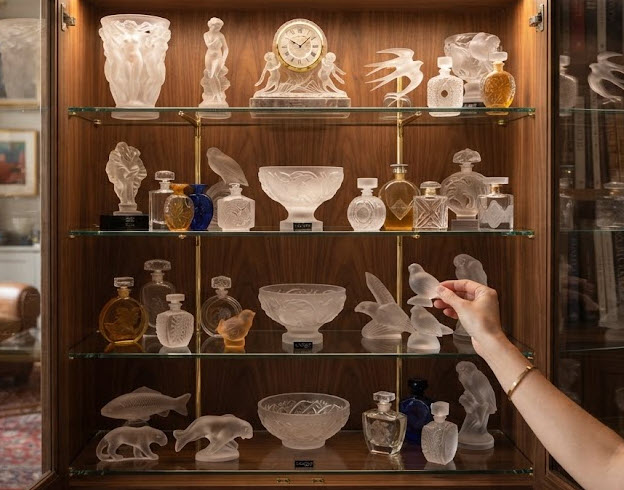
The Timeless Beauty of Lalique: History, Artistry, and Collecting Guide
Few names evoke the luxury, romance, and artistic triumph of fine glass quite like Lalique. Whether you are a seasoned collector or just beginning to appreciate the milky, tactile depths of opalescent crystal, Lalique represents a pinnacle of decorative art.
1. The History: Where and How It Was Made
The story of Lalique began not with glass, but with revolutionary jewelry. René Lalique (1860–1945) started his career as a master jeweler, shocking the traditional establishment by incorporating non-traditional materials like horn, enamel, and—most importantly—glass into precious jewels. By the turn of the 20th century, he was a defining voice of the Art Nouveau movement.
Around 1902, René shifted his immense creative focus entirely toward glassmaking.
-
Early Production: He initially produced glass objects at his country villa in Clairefontaine, before opening his first dedicated glassworks in Combs-la-Ville (near Paris) in 1909.
-
The Alsace Home: In 1921, looking to expand production to meet surging global demand, Lalique opened his iconic manufacturing site in Wingen-sur-Moder in the Alsace region of eastern France. Crucially, Wingen-sur-Moder remains the sole production site for Lalique in the world today.
-
The Evolution to Crystal: Following René’s death in 1945, his son Marc took over the reins. Marc transitioned the company from traditional molded glass to lead crystal, giving the pieces a heavier weight, greater brilliance, and a sharper refractive quality.
2. Beyond the Master: Key Designers & Collaborators
While René Lalique is a towering figure, the enduring legacy of the house relies on the creative vision of subsequent family members and prominent guest artists:
-
René’s Collaborators (Early Era): René frequently worked alongside his daughter, Suzanne Lalique, a talented painter and designer who helped shape many of the house’s iconic Art Deco motifs and interior architecture projects.
-
Marc Lalique (The Crystal Era): Marc not only shifted the company toward heavy lead crystal but also designed some of the house’s most famous post-war pieces, including the breathtaking Ceylan vase and the iconic Bacchantes vase (originally designed by René in 1927, but famously re-engineered in crystal by Marc).
-
Marie-Claude Lalique: René’s granddaughter, Marie-Claude, took over creative direction in 1977. A sculptor by training, she brought a vibrant burst of color and a deep love for nature and wildlife back into the catalog, designing celebrated perfume bottles and crystal animal figurines.
-
Modern Collaborations: In recent decades, the Lalique brand has partnered with major contemporary artists, fashion houses, and architects (such as Zaha Hadid, Damien Hirst, and Terry Rodgers) to create boundary-pushing, limited-edition art pieces that bridge historical craftsmanship with modern fine art.
3. Current Market Popularity
Today, Lalique enjoys robust global popularity. The market generally divides into two distinct categories:
-
Antique/Vintage Pre-War Pieces (R. Lalique): Items created during René Lalique’s lifetime (marked with “R. Lalique”) are heavily sought after by high-end art collectors, especially striking Art Deco vases, opalescent perfume bottles, and rare automotive car mascots (hood ornaments).
-
Post-War and Contemporary Lalique (Lalique France): Modern decorative objects, tableware, jewelry, and animal sculptures remain popular wedding gifts, luxury home accents, and accessible entry points for new collectors.
The brand’s appeal lies in its versatility; a mid-century or contemporary Lalique frosted sculpture looks equally at home in a sleek minimalist penthouse or a traditional country interior.
4. Is Lalique a Good Thing to Collect for Enjoyment and Investment?
For Enjoyment: Absolutely
Lalique crystal is a joy to live with. Its signature aesthetic relies on a contrast between clear and frosted (satin-finished) crystal, often treated with a sepia or black patina that highlights the intricate details of the relief work. When sunlight catches an opalescent Lalique vase—which seems to shift between blue and amber tones depending on the light—it offers an extraordinary visual tactile pleasure that mass-produced glass simply cannot match.
For Investment: Proceed with Strategy
As an investment asset, Lalique can be rewarding, but it requires a discerning eye:
-
The “Value Triangle” (Rarity, Condition, Provenance): Pre-war pieces by René Lalique—particularly in pristine condition—have historically held their value well and often appreciate at major auction houses (Christie’s, Sotheby’s). Rare color variations or items complete with their original vintage boxes command significant price premiums.
-
The Condition Penalty: Glass and crystal are fragile. Condition is everything. A tiny chip, rim flake, or hairline crack can slash a valuable piece’s secondary market value by 50% to 90%.
-
Modern Production as Lifestyle vs. Investment: While modern “Lalique France” production pieces are exceptionally crafted (often recognized by the French state as Entreprise du Patrimoine Vivant), everyday modern tableware and small standard figurines often depreciate slightly upon leaving the retail showroom, much like a new luxury car. They are best bought for aesthetic enjoyment rather than immediate financial gain.
Summary Verdict
If you buy what you love, prioritize flawless condition, and focus on scarcer vintage models or limited modern artist collaborations, collecting Lalique offers a wonderful fusion of aesthetic fulfillment and solid, tangible asset ownership.