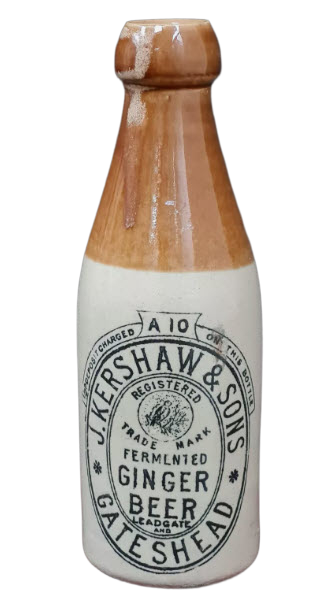
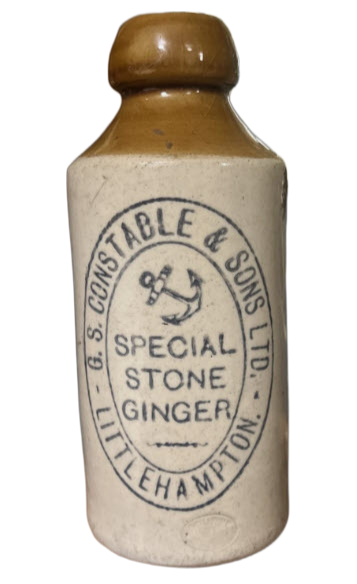
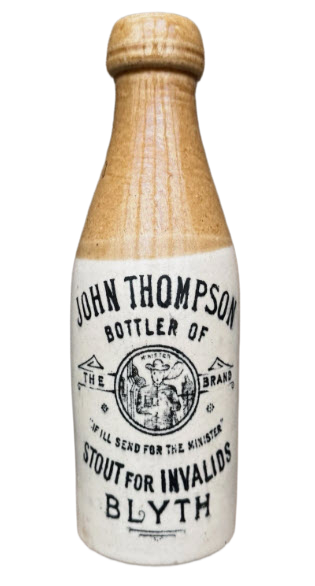
Why You Should Collect Ginger Beer Bottles (Stoneware)
Stoneware ginger beer bottles represent a fascinating intersection of culinary history, industrial heritage, and tactile craftsmanship that appeals to both seasoned collectors and newcomers alike. These robust ceramic vessels, typically dating from the Victorian era through the early 20th century, offer far more than nostalgia—they’re tangible windows into Britain’s beverage manufacturing past.
Historical Significance
Ginger beer bottles tell the story of a bygone era when this popular carbonated drink was a household staple. Local breweries across Britain produced thousands of variations, each marked with distinctive pottery stamps and manufacturer details. Collecting these bottles preserves this industrial heritage and celebrates the regional potteries that created them, from small village producers to major pottery centers.
Artistic and Craftsmanship Appeal
The stoneware construction showcases genuine artisanal skill. Each bottle was hand-thrown or pressed in molds, resulting in subtle variations that give individual pieces character. The glazing, impressed lettering, and maker’s marks demonstrate the quality standards of Victorian and Edwardian potters. For those who appreciate English pottery, these bottles are accessible examples of functional design excellence.
Collectability and Value
What makes ginger beer bottles particularly rewarding is their accessibility combined with genuine scarcity. Unlike fine china, they remain reasonably priced, allowing collectors to build comprehensive collections on modest budgets. Rare variations—particularly those from defunct local breweries—appreciate in value over time. The bottles are physically durable, storing easily and surviving centuries with minimal deterioration.
Connection to Place
Many bottles bear the names of local breweries and towns, making them ideal for regional history enthusiasts and those researching local heritage. They’re conversation starters and meaningful displays that connect collectors to their community’s past.
Whether you’re a serious ceramics collector, local historian, or someone simply drawn to authentic vintage items, ginger beer bottles offer genuine collecting satisfaction with historical depth and enduring charm.
Rare English Ginger Beer Bottles
For bottle collectors (or “stonies”), few items evoke the grit, industrial charm, and localized pride of Victorian and Edwardian Britain quite like antique stoneware ginger beer bottles. Produced heavily between the 1840s and the 1920s, these heavy ceramic vessels were built to withstand high internal pressure from naturally fermented, alcoholic ginger beer.
While millions of standard cream-and-brown bottles were manufactured, finding truly rare UK ginger beer bottles has become a passionate pursuit for antique enthusiasts, mudlarks along the Thames, and bottle-diggers nationwide.
What Made UK Ginger Beer Bottles Unique?
Before glass blowing became fully automated and cheaper in the 1920s, potteries across Glasgow, the Midlands, and Bristol supplied regional breweries with handmade stoneware.
The Glaze: Early bottles used a salt-glaze finish, but after 1835, the Bristol Slip (a two-tone finish with a honey-brown top and cream base) became the classic aesthetic.
The Markings: Early examples featured impressed marks—letters stamped directly into the wet clay using wooden or metal dies. By the 1890s, breweries switched to transfers (underglaze printing), allowing for intricate logos, typography, and local trade marks.
Key Drivers of Rarity & Value
| Rarity Factor | Why Collectors Care | Example / Details |
| Pictorial Transfers | Bottles featuring animals, ships, local landmarks, or portraits command a massive premium over plain text. | A bottle stamped with a local locomotive or lighthouse can fetch hundreds of pounds. |
| Coloured Tops & Glazes | Standard two-tone brown/cream is common. Rare examples feature cobalt blue, green, lip-glazes, or dark chocolate tops. | Rare green-topped specimens from regional Scottish or Cornish potteries. |
| Obscure Regional Breweries | Bottlers from tiny villages or short-lived Victorian firms are significantly harder to find than massive London or Manchester operations. | Short-lived island breweries (e.g., Isle of Wight, Isle of Man) or small Cornish hamlets. |
| Closure Mechanism | Early corked bottles give way to rare internal screw-thread pottery stoppers, or unusual patent tops (like Kennedy’s patent). | Stamped pottery screw-stoppers matching the original bottle body. |
| Pottery Identification | Stamps from famous kilns on the base or lower body (e.g., Doulton Lambeth, Buchanan Glasgow, Powell Bristol) increase provenance. | Doulton Lambeth impressed mark on the lower side seam. |
Hotspots for Collectors
Scottish Stoneware: Glasgow and Edinburgh potteries were famous for high-quality production. Scottish bottles often feature vibrant underglaze transfers and regional crests that fetch top prices among collectors.
Cornish & Northern Finds: Bottling works in Cornwall (e.g., Redruth or Illogan) or small industrial towns in Northern England (Carlisle, North Shields) produced smaller runs, making surviving examples scarce.
Dump Digging & Mudlarking: Many of the rarest surviving examples are uncovered from old Victorian town refuse dumps or tidal riverbanks, where thick stoneware protected the clay body from centuries of decay.
Whether found preserved in an attic or dug up from Victorian river silt, a rare UK ginger beer bottle serves as a tangible snapshot of 19th-century British brewing heritage and regional craftsmanship.