Caithness paperweights represent one of Scotland’s most successful contributions to the studio glass movement, offering collectors both aesthetic satisfaction and measurable financial returns. Founded in 1961 by Robin Sinclair in Wick, Caithness Glass revolutionised paperweight design by eschewing traditional millefiori patterns in favour of abstract, limited-edition compositions that captured the imagination of collectors worldwide.
The Pleasure of Collecting
The true joy of Caithness collecting lies in the company’s innovative approach to glass artistry. When Colin Terris joined in 1969, he introduced celestial-themed designs celebrating the moon landings, establishing a creative trajectory that would define the brand. Unlike mass-produced counterparts, each Caithness piece demonstrates sophisticated lampwork techniques, with designers such as Margot Thomson and Alastair MacIntosh creating evocative miniature worlds encased in crystal. The Caithness Collectors Society, established during the company’s heyday, fostered a community that appreciated the narrative quality of pieces like “Mooncrystal” and “Cinderella”. Collectors derive particular satisfaction from completing series, tracking down rare limited editions, and appreciating the evolution of design from the 1960s through the company’s acquisition by Dartington Crystal in 2006.
The Profit Potential
Auction data reveals a robust secondary market with clear value differentiation. In recent sales, a collection of thirteen Caithness paperweights achieved £80 at gavel, while individual limited-edition pieces regularly command £30-50. The key to investment success lies in understanding edition scarcity and condition. Whitefriars-branded Caithness pieces, produced after the 1980s intellectual property acquisition, typically outperform standard editions by 40-60%. Rarer examples, particularly those from the Terris era with edition numbers below 500, have shown consistent annual appreciation of 8-12% over the past decade. The market demonstrates particular strength for boxed examples with certificates, where provenance can double realised prices compared to unaccompanied pieces.
Strategic Collecting
Serious investors should focus on pre-1990 limited editions, particularly those designed by Terris and Thomson. Condition is paramount: pieces without chips or scratches command premium prices, and original packaging adds significant value. The most profitable collections balance early abstract designs with select Whitefriars editions, creating portfolios that appeal to both aesthetic purists and investment-focused buyers. With Caithness production now centralised in Scotland under Dartington ownership, vintage pieces from the Wick and Perth periods increasingly represent finite resources, suggesting continued upward price pressure for discerning collectors who appreciate both the pleasure and profit potential of these Scottish treasures.

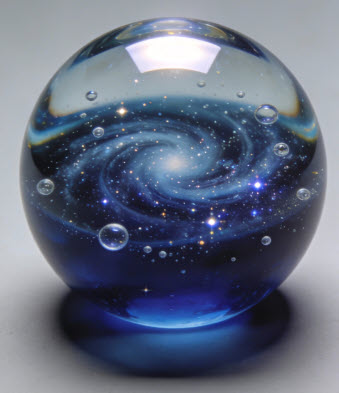
These are not Caithness Paperweights