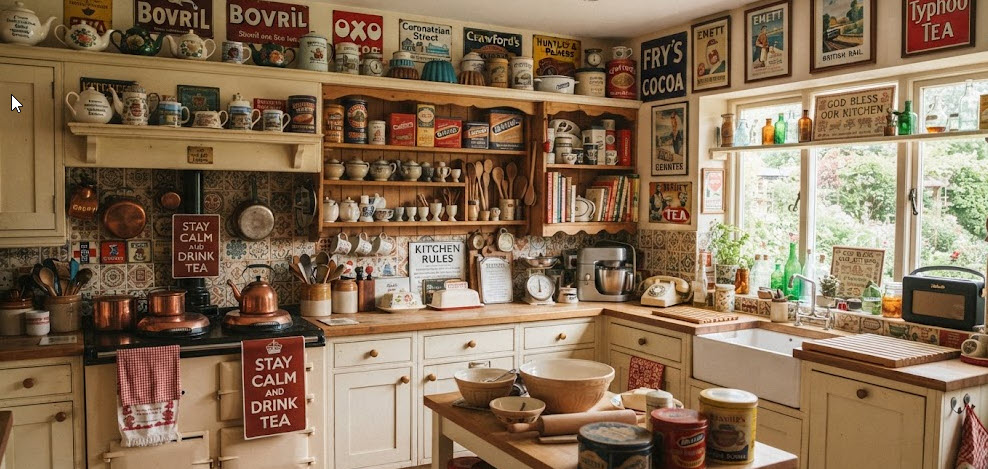
Kitchenalia: Why Vintage Kitchenware Is the Ultimate Collecting Trend for Modern UK Homes
There is a quiet revolution happening in British kitchens. As mass-produced, sterile minimalism slowly yields to a desire for warmth, texture, and character, interiors are getting a hearty dose of nostalgia. Enter kitchenalia—the collecting of antique, vintage, and retro kitchenware and culinary equipment.
Far from being dusty relics hidden away in museum display cabinets, vintage kitchenalia is being celebrated for its blend of rugged utility, striking design, and deep-rooted British heritage. Whether it is a heavily chipped enamel flour bin holding fresh hydrangeas or a gleaming Victorian copper jelly mould catching the afternoon sun, these pieces tell stories of how we used to live, cook, and gather.
If you have ever felt drawn to a colourful 1960s Pyrex bowl or a worn wooden bread board with a lifetime of chop marks etched into its surface, you might already be well on your way to becoming a collector.
What Makes Kitchenalia So Captivating?
Unlike fine art or rare porcelain that demands to be looked at and never touched, kitchenalia was built for hard work. It wears its history with pride.
Patina and Character: A brand-new item looks pristine, but a vintage enamel jug bearing a few characterful chips carries the memory of decades of family Sunday roasts, farmhouses, and bustling bakeries.
Design Evolution: Kitchenware charts the social and industrial history of Britain. You can trace the shift from heavy Victorian ironmongery to the cheerful, bright plastics and ceramics of the mid-20th century, and finally to the sleek, functional designs of the postwar era.
Practical Sustainability: In an era where sustainability is at the forefront of our minds, collecting vintage kitchenware is the ultimate form of recycling. These items were built to last generations—and with a little care, they will happily serve a few more.
Top Treasures to Hunt for in the UK
If you are heading out to your local charity shop, car boot sale, or antiques emporium this weekend, keep an eye out for these perennial British favourites:
1. Cornishware and Vintage Ceramics
Recognisable instantly by its iconic blue-and-white stripes designed to mimic the skies and rolling waves of Cornwall, Cornishware (produced by T.G. Green starting in the 1920s) is a cornerstone of British kitchen collecting. Look for the older backstamps; pieces with the green shield stamp are particularly prized by purists.
2. Retro Pyrex and Oven-to-Tableware
Mid-century British Pyrex—produced by James A. Jobling in Sunderland—is having a massive revival. From the iconic Jaqueline and Hawthorn patterns to the vibrant, solid-colour bowls of the 1970s, these pieces are both brilliantly functional and striking decorative statements.
3. Enamelware (Judge Ware & National)
Before stainless steel and plastic took over, enamel was king. British brands like Judge produced tough-as-nails enamel jugs, pie dishes, and storage canisters in crisp whites, rich blues, and speckled greens. Look for pieces with minimal rust and intact rims.
4. Vintage Scales and Cast Iron
Nothing anchors a rustic kitchen quite like a heavy set of brass-pan kitchen scales (think Salter or Avery) or a sturdy cast-iron pan. While heavy to transport home from a fair, they bring an instant sense of heritage and solidity to a room.
5. Wooden Utensils and Bread Boards
Scratched, honey-toned antique pastry boards, butter paddles, and rolling pins carry a wonderful tactile warmth. Large vintage chopping boards with original iron hanging rings look magnificent propped against a modern kitchen splashback.
Top Tips for Starting Your Collection
Collect What You Love, Not Just What’s “Valuable”: The golden rule of collecting kitchenalia is to buy things you actually want to use or look at every day. A £5 floral tin that makes you smile is worth far more to your home than an investment piece you keep locked away.
Inspect for Function and Safety: If you plan on using your finds for actual cooking or serving, check them carefully. Avoid chipped ceramics used for hot acidic foods, ensure old copper pans have been safely re-tinned if necessary, and check electrical appliances (like vintage kettles or mixers) with a qualified electrician before plugging them in.
Embrace the Hunt: The joy of kitchenalia is largely in the chase. Skip the high-end antique arcades occasionally and try village car boot sales, West Country salvage yards, charity shops, and local auction houses where bargains can still be found.
Styling Kitchenalia in a Modern Home
You don’t need to live in a chocolate-box Cotswold cottage to make kitchenalia work. In fact, these rustic and retro pieces create a stunning, curated contrast against sleek, contemporary kitchens.
Try grouping items by colour—such as a collection of amber glass bottles on a windowsill—or putting hard-working vintage items to immediate use: store wooden spoons in an old stoneware mixing bowl, or use a vintage enamel colander to wash your weekend market berries.
Ultimately, kitchenalia is about bringing soul back into the heart of the home. Every dent, scratch, and faded logo is a reminder that the kitchen has always been, and always will be, the most important room in the house.