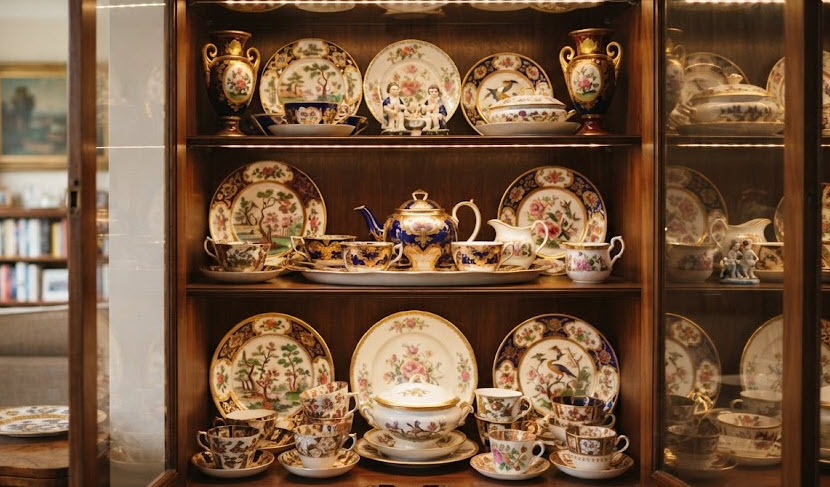
The Magic of Coalport Porcelain: History, Master Painters, and Collecting for the Future
For lovers of fine English ceramics, few names evoke the elegance, romance, and artistic brilliance quite like Coalport. Nestled on the banks of the River Severn in Shropshire, the Coalport factory grew to become a titan of the porcelain world, creating breathtaking cabinet pieces, delicate tea sets, and highly sought-after figurines.
Whether you are a seasoned collector or just stepping into the wonderful world of antique ceramics, understanding the story behind Coalport reveals why it remains a cherished staple of British heritage.
1. The Story of Coalport: When It Started and Finished
The Coalport story began in 1795, when entrepreneur and potter John Rose established the factory on the banks of the Shropshire Canal (which later linked to the Severn, giving the location its name). Rose was an ambitious businessman who brilliantly absorbed other local potteries, including the famous Caughley works and a portion of the Swansea factory, bringing master craftsmen and valuable patterns with him.
During the 19th century, Coalport reached the absolute pinnacle of luxury production, earning a reputation for sumptuous gilding, vibrant colours, and intricate floral “encrusted” work (often marketed under the name Coalbrookdale).
The Move: In 1926, the factory packed up its kilns and relocated away from its Shropshire roots to Stoke-on-Trent—the heartland of the English pottery industry.
The Final Chapter: The historic brand was eventually acquired by the Wedgwood Group in 1967. While production under the standalone Coalport banner eventually wound down towards the end of the 20th century, the legacy of the name lives on through commemorative pieces and archival stewardship.
2. Famous Coalport Painters and Artists
What truly sets Coalport apart from many of its contemporaries is the sheer caliber of artistic talent it attracted. The factory employed some of the finest porcelain painters of the 19th and early 20th centuries, transforming blank china into true fine art canvases. Some of the most famous names to look out for include:
F.H. Chivers (Fred Chivers): Renowned across the antique world for his exquisite fruit paintings, often depicting lush bunches of grapes, peaches, and plums against soft, moody backdrops. A signed Chivers cabinet plate is a prized possession.
E.O. Ball: A master landscape and floral painter whose detailed miniature scenes on urns and cabinet vases capture stunning British countryside and coastal views.
Thomas Pardoe: Though he spent time at various factories, his exquisite enamel painting and bird/floral decorations heavily influenced the early decorative style associated with the John Rose era.
The Flower Painters: During the mid-Victorian era, anonymous hands mastered the art of “Coalbrookdale” encrusted flowers—meticulously hand-modeling thousands of tiny individual petals and leaves onto vases and baskets.
3. What Money Does Coalport Make Now?
The market for Coalport is wonderfully diverse, meaning there is something for every budget. However, values vary wildly depending on age, rarity, hand-painted detail, and condition.
Everyday Figurine & Tableware (£20 – £60): Mass-produced 20th-century bone china lady figurines (such as those from the Ladies of Fashion or Age of Elegance series) or standard tea plates generally trade comfortably in the modest range.
Mid-Range Cabinet Pieces (£100 – £400): Early 20th-century hand-painted cabinet plates signed by master artists like Chivers, or distinct cobalt-blue and gilt urns, routinely command solid hundreds at auction.
High-End & Museum Quality (£500 – £3,000+): Rare, early 19th-century Coalbrookdale floral-encrusted garnitures, large exhibition-quality vases, or exceptionally rare limited-edition figures can command thousands of pounds from serious collectors.
4. Is Coalport a Good Thing to Look Out for in the Future?
In a word: Yes—if you collect with a sharp eye.
Like much of traditional brown furniture and classic brown-and-white ceramics, mainstream Victorian tableware has seen softer prices in recent years as modern interior trends lean minimalist. However, Coalport is bucking general trends in key, high-end categories:
Master-Signed Art Porcelain is Scarcest: Pieces painted by recognized names (like F.H. Chivers) or featuring complex jeweled and gilded grounds are finite. They are no longer being made, and discerning collectors are always hunting for top-tier quality.
The Shift in Figurines: While common figurines are widely available, rare, low-number limited editions (especially those with original boxes and certificates) still command fierce competition.
Patience Pays Off: Buying Coalport today means you can acquire incredible, museum-worthy 19th-century art for a fraction of what it cost to make. As younger generations rediscover the beauty of maximalism, craftsmanship, and heritage items, top-quality hand-painted porcelain is widely tipped by dealers to hold strong long-term appeal.
Top Tips for Future-Proof Collecting:
Condition is Everything: Always check for hairline cracks, chips on delicate applied flowers, or rubbing to the heavy gold gilding. Mint condition is king.
Look for Signatures: Turn the piece over. A signature from a known artist or a rare early backstamp (like the pre-crown or rare Coalbrookdale marks) can multiply a piece’s desirability.
Buy What You Love: Never buy purely as a bank-account investment; buy what catches your eye. That way, even if you hold it for decades, you get to enjoy a piece of history on your mantelpiece every single day!