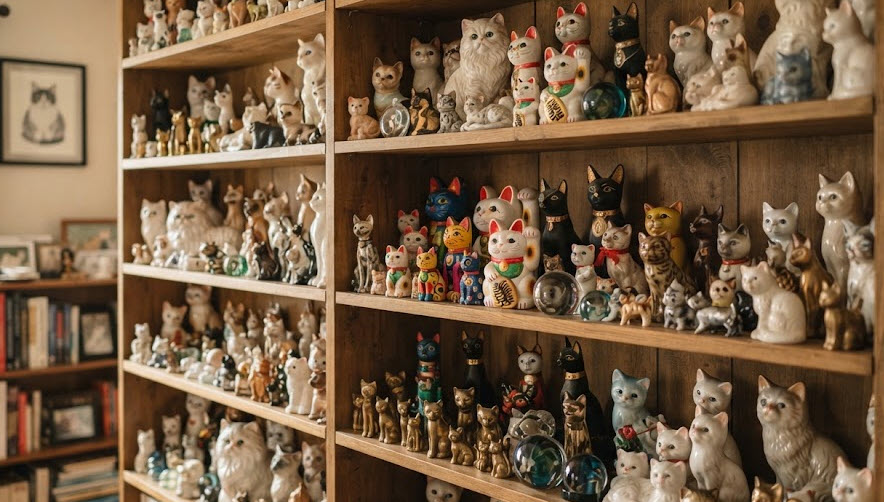
Purr-fectly Timeless: The Art of Collecting Ceramic Cat Figurines
There is a quiet, independent magic to cats that has captivated humans for millennia. It is little wonder, then, that master ceramicists have spent the last hundred years trying to capture their fluid grace, playful mischief, and haughty elegance in clay.
While ceramic animals have been produced for centuries, the true golden age of the cat figurine belongs to the twentieth century—anchored firmly in the heart of England’s ceramic capital: Stoke-on-Trent.
Whether you are an established collector with shelves of polished porcelain or someone who recently fell in love with a vintage ginger tabby at a local antiques fair, exploring the world of cat figurines opens up a rich history of artistry, social history, and craftsmanship.
The Ceramic Heartbeat: Stoke-on-Trent and the Masters
For generations, the “Potteries”—the six towns making up Stoke-on-Trent in Staffordshire—was the global epicentre of ceramic manufacturing. Skilled modellers, painters, and glost-firers worked in legendary factories like Royal Doulton, Beswick, and Wade, turning out pieces that would end up on mantelpieces across the world.
When it came to feline subjects, a few heavyweights defined the era, each bringing their own distinct personality to the kiln.
1. Beswick: Masters of Character and Realism
Founded in Longton, Stoke-on-Trent, in 1894, Beswick is arguably the holy grail for animal figurine collectors. While they achieved massive fame for their horses and Beatrix Potter characters, their cat figurines are masterpieces of mid-century design.
-
The Art of Expression: Under modellers like Arthur Gredington, Beswick cats weren’t just static ornaments; they had attitude. From stretching Siamese cats with elongated bodies to arched-back alley cats and playful kittens batting at balls of wool, Beswick captured feline movement brilliantly.
-
Gloss vs. Matt: Collectors often obsess over the finish. Many classic mid-century Beswick cats were produced in both high-gloss and soft matt finishes. Generally, certain rare matt-glazed colorways or experimental prototypes can command higher sums at auction.
-
The Doulton Crossover: In 1969, Beswick was acquired by Royal Doulton. For a period, pieces featured overlapping stylistic traits, and understanding the backstamps (from early impressed script to later combined marks) is half the fun of the hunt.
2. Royal Doulton: Elegance and Whimsy
Royal Doulton is globally famous for its fine bone china, and their cat figurines often lean toward a more refined, sophisticated aesthetic—though they certainly knew how to have fun.
-
The Siamese and Pedigree Focus: Doulton excelled at sleek, lifelike pedigree cats. Their champion Siamese cats, rendered with subtle airbrushed shading on the ears, face, and paws, showcase the pinnacle of ceramic painting.
-
Whimsical and Literary Cats: Beyond realistic studies, Doulton tapped into popular culture. From anthropomorphic cats dressed in Victorian waistcoats and dresses to charming cartoonish kittens, Doulton cat pieces offer a vast spectrum of collecting styles.
3. Other Stoke-on-Trent Standouts
While Doulton and Beswick dominate the conversation, Stoke-on-Trent housed a vibrant ecosystem of factories that produced charming felines:
-
Wade Ceramics: Famous for their miniature whimsies, Wade produced countless tiny, adorable cats (often found in the famous Wade Whimsies boxes or tea promotions). They are affordable, highly nostalgic, and easy to collect in numbers without taking up an entire room.
-
Shelley, Minton, and Carlton Ware: While these houses are better known for tableware or art deco vases, they occasionally released exquisite feline figures that are fiercely contested by advanced collectors today.
Anatomy of a Collection: What to Look For
If you are thinking about starting or expanding a collection of vintage cat figurines, keep these key factors in mind:
-
Condition is Everything: Unlike sturdy stoneware, vintage porcelain and earthenware are prone to chips, hairline cracks, and “crazing” (fine cracking in the glaze). Always inspect the tips of tails, ears, and whiskers closely. Mint-condition pieces command top tier prices; restoration heavily diminishes value.
-
Backstamps Tell the Story: Turn the figurine over. The maker’s mark is your roadmap. Familiarize yourself with how marks evolved over decades. A stamp from the pre-war era carries a different weight—and price tag—than a mass-produced late-century reissue.
-
The Thrill of the Variation: Keep an eye out for subtle color variations, different hand-painted eye colors (green vs. yellow), or minor posture tweaks. A slight factory variation can turn a common piece into a rare prize.
Caring For Your Ceramic Cloister
Displaying cat figurines is a joy, but ceramic felines require a bit of care to stay in pristine condition:
-
Keep Out of Direct Sunlight: Prolonged exposure to harsh UV rays can fade the delicate overglaze enamel paints, particularly on older pieces.
-
Dust Gently: Use a soft, dry artist’s paintbrush to clean delicate contours rather than rough cloths that might catch on protruding ears or tails.
-
Secure Your Display: Cats may be graceful, but ceramic ones are fragile! Ensure sturdy shelving away from high-traffic areas where accidental bumps can send a prized Beswick Siamese tumbling.
Whether you are drawn to the sleek, haughty lines of a mid-century Doulton Siamese or the cheeky charm of a vintage Wade kitten, collecting Stoke-on-Trent cat figurines is a wonderful way to preserve a slice of British manufacturing history.