The Vanishing Landscape: Why Pre-1935 UK Topographical Postcards Are Disappearing Forever
For many collectors, a postcard is more than just a piece of card stock; it is a time portal. Imagine holding a window into a quiet village street in Yorkshire or a bustling Devon market square as it looked in 1912—long before bypasses, modern shopfronts, or concrete housing estates altered the geography of Britain forever.
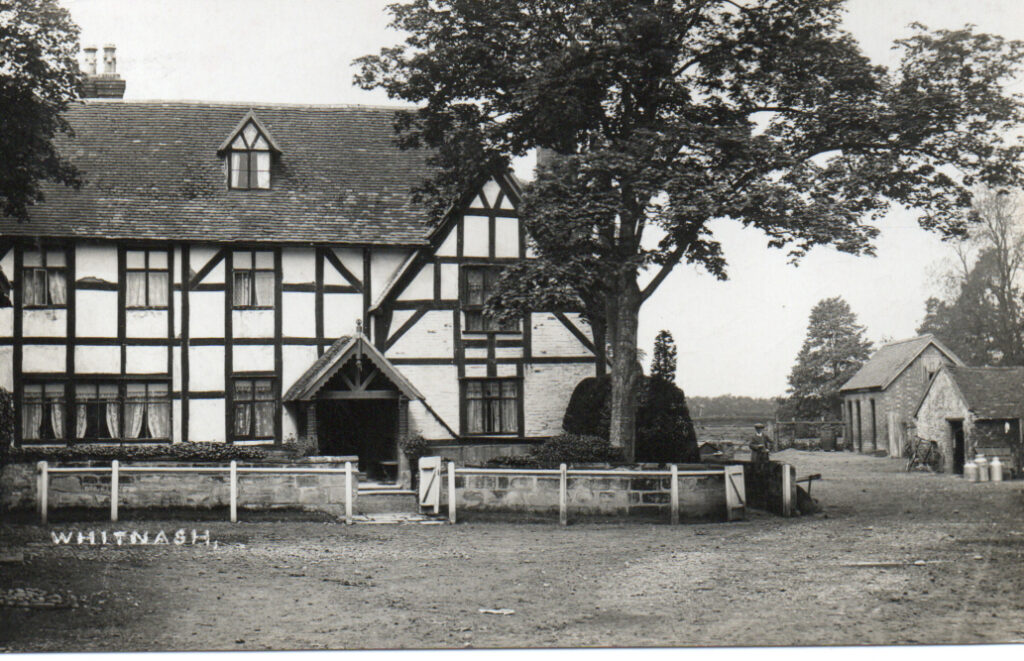
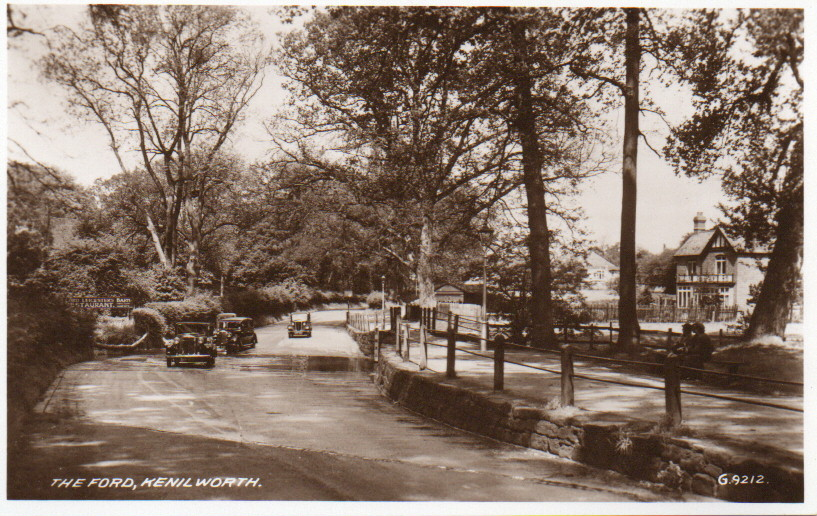
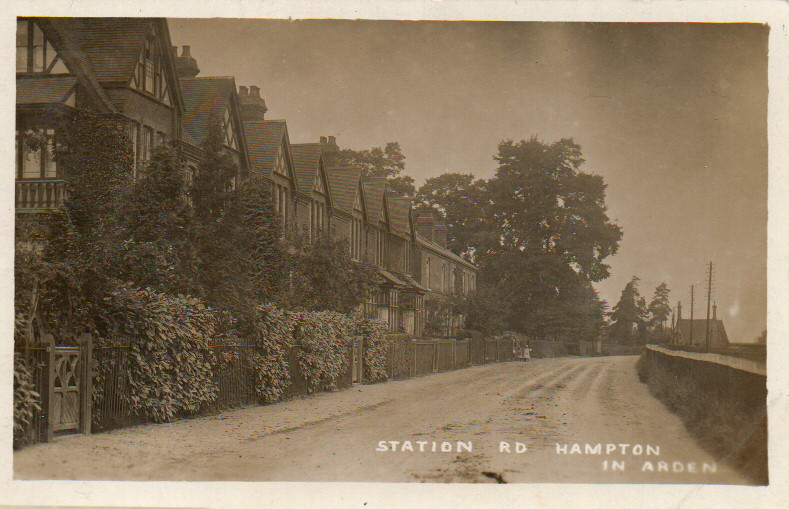
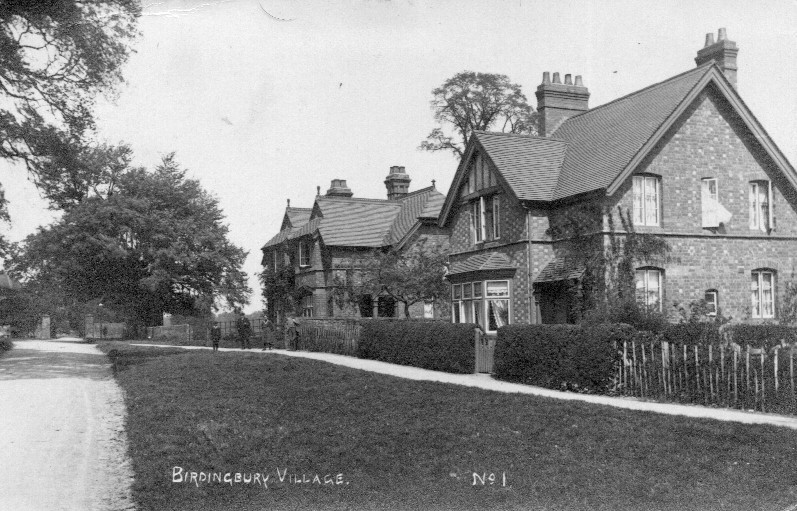
For Terry, a dedicated enthusiast of British topographical history, collecting UK postcards isn’t merely a hobby; it is a race against time. Specifically seeking out original real-photo and printed typographical postcards of UK villages and towns dated before 1935, Terry—like many preservationists in the field—faces a stark reality: these fragile historical artifacts are vanishing from the face of the earth at an alarming rate.
A Silent Extinction: Why Are They Disappearing?
It is easy to assume that old postcards are durable, but the daily attrition rate of these paper treasures is staggering. Every single week, thousands of pieces of local history are permanently lost due to a grim combination of factors:
House Clearances and Ignorance: When older generations pass away or move into care, house clearances often result in decades of accumulated belongings being bulk-recycled, skipped, or cleared out by people who view old paper simply as “junk” or clutter.
Accidental Damage and Decay: Postcards are inherently fragile. Damp attics, floods, fires, and pests destroy countless numbers of vintage cards every year. Acidic old albums and poor storage conditions also take a heavy toll.
The “Throwaway” Mindset: Because millions were printed a century ago during the “Golden Age of Postcards” (roughly 1902 to 1914), casual observers mistakenly believe they are common, worthless, or easily replaceable—leading many to toss them straight into the bin.
As supply dwindles while demand from dedicated local historians holds steady, finding clean, undamaged pre-1935 topographical cards becomes harder with each passing month.
The Magic of the Pre-1935 Topographical Postcard
Why draw the line at 1935? The decades leading up to and immediately following the First World War capture a unique era in British history. Before widespread car ownership and modern suburban sprawl, UK villages and towns possessed an distinct, localized character.
Pre-1935 postcards offer an incredible, unfiltered look at:
Local Trades and Transport: Horse-drawn carts, village blacksmiths, local railway stations with steam engines, and early motor cars parked outside the local inn.
The High Street of Yesteryear: Independent family grocers, bakeries with hand-painted signs, and villagers gathered in their Sunday best.
Unspoiled Architecture: Thatched cottages, historic market crosses, and ancient abbeys before modern restoration or commercial development changed their skylines.
For a collector like Terry, finding a pristine card of a tiny hamlet—perhaps showing children playing in the dirt road or the local postman on his bicycle—is akin to discovering a lost masterpiece. Each card tells a visual story of a community that has often changed beyond recognition.
Preserving a Fragile Heritage
Collecting these cards is much more than an accumulation of nostalgic imagery; it is an act of historical stewardship. Every pre-1935 topographical postcard rescued from a dusty box, an unappreciative house clearance, or a damp shed is a piece of Britain’s social fabric saved for the future.
As these miniature historical records continue to slip away week by week, the efforts of passionate collectors ensure that the forgotten streets, faces, and places of yesterday aren’t entirely erased by time.