The Ultimate Guide to Collecting Investment-Grade LP Records
There is nothing quite like the ritual of pulling a heavy LP out of its sleeve, inspecting the run-out groove, and dropping the needle onto warm, analog vinyl. But beyond the sheer acoustic joy, record collecting has quietly evolved into one of the most engaging alternative asset classes in the world.
If you are looking to blend your passion for music with a smart eye for investment, you aren’t alone. With global vinyl sales continuing their historic multi-year streak, the market for rare, pristine-condition LPs is booming.
So, what exactly makes a record “investment-grade”? And which types of LPs should you be hunting for to grow your collection’s value? Let’s break it down.
1. The Holy Grails: What Defines an Investment-Grade LP?
Not all vinyl is created equal. A common 1980s pop album found in a bargain bin for a couple of dollars will likely stay that way. When serious investors and high-end collectors talk about value, they look for specific criteria:
True First Pressings: In the vinyl world, chronological pedigree is everything. The very first run of a record—often identified by specific matrix numbers, stampers, or label variants—holds the highest value. For instance, a standard copy of Pink Floyd’s The Dark Side of the Moon is easy to find, but an original 1973 UK pressing with a solid blue triangle label can command thousands.
Scarcity and Low Print Runs: Limited editions, promotional copies sent exclusively to radio DJs (often stamped “Promotional Copy – Not For Sale”), and short-lived regional pressings are goldmines.
Withdrawn Artworks and Errors: History loves a mistake. Albums that were pulled from shelves shortly after release due to controversial artwork, legal issues, or audio mix errors naturally see their surviving populations plummet, driving collector demand through the roof.
Condition (Grading is King): An investment-grade record lives or dies by its condition. Collectors adhere strictly to Goldmine grading standards. Records graded as Mint (M) or Near Mint (NM)—with flawless vinyl gloss and crisp, uncreased sleeves—fetch exponential premiums compared to “Good” or “Very Good” copies.
2. Top Categories of LPs to Collect for Investment
If you want to focus your collection on areas with strong, historical market stability and growth, target these specific genres and categories:
Classic Rock & British Invasion (1960s–1970s)
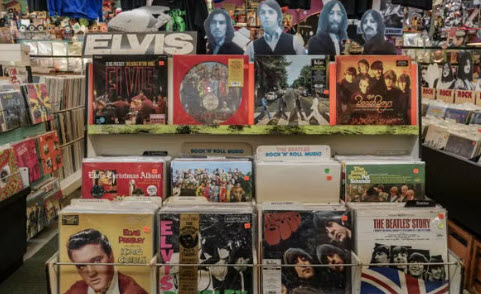
The bedrock of the high-end vinyl market remains classic rock. Artists like The Beatles, The Rolling Stones, Led Zeppelin, and Pink Floyd have global, multi-generational fanbases with disposable income.
What to look for: UK original pressings on iconic labels (like early Parlophone, Decca, or Island pink labels). Rare variants like the Beatles’ Yesterday and Today “Butcher Cover” or early Led Zeppelin sleeves with turquoise lettering can easily command five-figure sums.
Vintage Jazz (1950s–1960s)
For pure investment consistency, original jazz LPs are often considered the “blue chip” stocks of the vinyl world.
What to look for: Original deep-groove pressings on Blue Note, Prestige, and Impulse! records from artists like John Coltrane, Miles Davis, and Hank Mobley. Because original pressings were often made in small quantities for niche audiences, clean copies of key Blue Note catalog numbers are fiercely contested by international collectors.
Early Punk, Indie, and Alternative (Late 1970s–1990s)
As younger generations of collectors enter the market with capital, the demand for original punk, early indie rock, and 90s alternative has spiked dramatically.
What to look for: Extremely limited indie label pressings, hand-numbered sleeves, or early regional releases from bands like The Misfits, Nirvana, or early pressing run hip-hop and alternative artifacts. Because these were often pressed on cheap vinyl by independent labels that went under, finding them in pristine shape is exceptionally difficult.
3. Golden Rules for the Vinyl Investor
If you are treating your collection as an investment portfolio, keep these golden rules in mind:
Prioritize Condition Over Quantity: Buying ten mediocre records for $10 each is less lucrative than buying one pristine, highly sought-after rarity for $100. High-end buyers always pay top dollar for upgrade-quality copies.
Store Them Properly: Investment vinyl must be treated like fine art. Keep records upright (never stacked flat, which warps the vinyl), store them in a climate-controlled room away from direct sunlight, and protect the jackets in heavy-duty polyethylene outer sleeves.
Know How to Verify: Learn how to read deadwax matrix numbers, identify specific label typography, and spot counterfeit reissues disguised as originals. Knowledge is your best shield against bad investments.