Collecting English Silver Coins: History, Investment Potential, and Where to Find Them
There are few pursuits as thrilling as holding a piece of English silver history in the palm of your hand. Whether it is a tactile, hammered groat minted during the tumultuous reign of the Tudors, a finely engraved crown of the Stuarts, or the familiar silver circulating currency of the 20th century, English silver coins offer a magnificent intersection of history, art, and tangible wealth.
As interest in alternative assets and historical hobbies grows, the market for English silver coinage is experiencing a fascinating evolution. If you are looking to start or expand a collection, understanding the landscape—from sourcing specimens to assessing investment potential and picking the right focus area—is essential.
Where to Buy and Find English Silver Coins
Building a collection can happen in two ways: through the marketplace or, for the fortunate few, directly from the soil via metal detecting.
Buying: The Best Marketplaces
-
Reputable Coin Dealers & Numismatic Houses: Firms specializing in British numismatics (such as those belonging to the British Numismatic Trade Association or BNTA) offer authenticity guarantees, expert grading, and reliable provenance.
-
Specialist Auctions: Auction houses frequently feature dedicated coin sales. These are ideal for finding rare, high-grade cabinet pieces, though buyers must account for buyer’s premiums (often around 20% to 25%).
-
Coin Fairs and Shows: Attending regional coin fairs allows you to physically handle coins, compare prices, and negotiate directly with dealers.
-
Online Platforms: eBay and specialist online forums can yield bargains, but they are fraught with counterfeits and cleaned specimens. Only buy from established sellers with clear return policies if you lack experience.
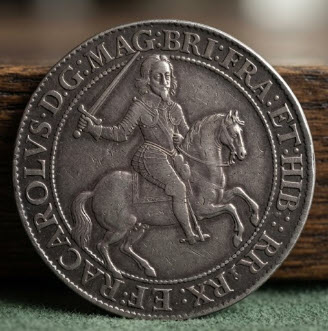
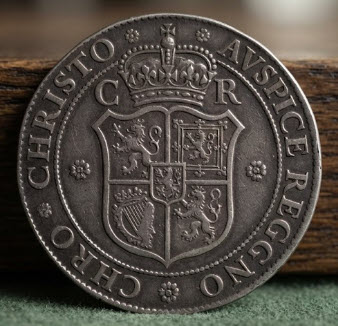
Finding: Metal Detecting in the UK
For those equipped with a metal detector, unearthing history from British farmland or pasture is the ultimate adventure. However, it comes with strict legal and ethical responsibilities:
Landowner Permission: You must always secure explicit, written permission from the landowner before detecting.
The Treasure Act 1996: In England, Wales, and Northern Ireland, any group of coins containing gold or silver over 300 years old is legally classified as Treasure. Single silver or gold coins over 300 years old must also be assessed if found alongside other items, and any potential treasure must be reported to your local Finds Liaison Officer (FLO) within 14 days.
The Portable Antiquities Scheme (PAS): Even single, non-treasure finds should be recorded with your local FLO to help preserve the archaeological record.
2. Choosing Your Focus: Circulated History, the 17th Century, or Crown-Sized Pieces?
Deciding what to collect is the defining choice for any numismatist. Three popular areas offer distinct joys and challenges:
| Collecting Area | Appeal & Characteristics | Key Considerations |
| Circulated Everyday Coins (e.g., pre-1920 sterling silver, Victorians, Edwards) | Highly accessible, affordable, and rich in character. You can feel the wear of centuries of commerce. | Usually valued close to melt or modest numismatic premiums unless in exceptional mint state. |
| 17th-Century Hammered & Milled Coins (Tudors, Stuarts, English Civil War) | Brimming with historical drama. Coins from the reign of Charles I or the Commonwealth reflect a nation at war. | Often found clipped, worn, or unevenly struck due to the manual hammering process. Authenticity is paramount. |
| Crowns & High-Denominations (5 Shillings & 2/6 Halfcrowns) | Majestic, large-format art pieces. Crowns (like the famous “Cartwheel” twopences or Gothic crowns) showcase the pinnacle of coin engraving. | Highly sought-after by collectors, meaning high entry prices and fierce competition for top-condition pieces. |
3. Investment Potential: Where is the Market Heading?
The market for English silver coins sits at a unique crossroads between precious metal bullion value and numismatic rarity.
The Silver Market Backdrop: Silver has experienced significant macroeconomic tailwinds, driven by robust industrial applications (such as green energy, electronics, and technology sectors) alongside strong safe-haven investment demand. While spot prices experience normal volatility, the broader structural floor for silver has shifted upward.
Numismatic Outperformance: While common-date circulated silver coins (like 925 sterling British silver pre-1920 or 50% silver pre-1947) track closely with the melt value of silver, rare historical pieces operate independently. High-grade 17th-century coins, scarce mint marks, and pristine crown-sized specimens are driven entirely by collector demand, historical importance, and scarcity.
Long-Term Outlook: As more investors look toward tangible assets with intrinsic historical value, premium-grade English silver coins have proven resilient. They offer a dual-hedge: the chemical and industrial value of the underlying precious metal coupled with the cultural appreciation of art that cannot be mass-produced.
Conclusion: Is Collecting Increasing?
Yes, the hobby of collecting English silver coins is enjoying steady growth. Younger generations and seasoned investors alike are turning away purely from digital portfolios toward tangible, physical assets they can hold, research, and appreciate.
Whether you are drawn to the rustic charm of a hammered 17th-century shilling, the imposing grandeur of a 5-shilling crown, or the quiet satisfaction of unearthing a piece of local history from the earth, collecting English silver is a deeply rewarding journey into the heart of Britain’s past.
What era of English silver coinage captures your imagination the most—the dramatic hammered issues of the 17th century or the grand artistry of later crown pieces?