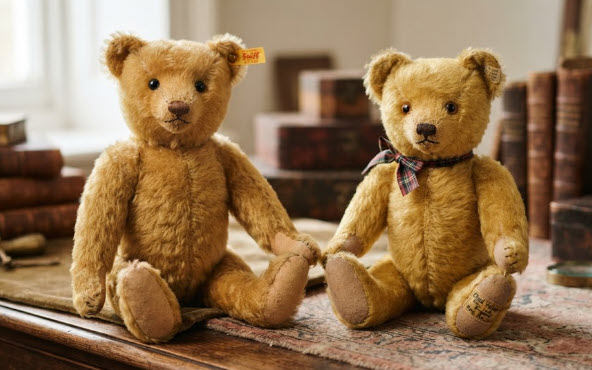
Companions, Heirlooms, and Assets: The Ultimate Guide to Collecting Teddy Bears
Few objects evoke the comforting nostalgia of childhood quite like a teddy bear. Yet beyond their sentimental appeal, teddy bears have quietly evolved into a serious, highly rewarding niche within the world of antiques and collectibles. Whether you are drawn to the historical mohair creations of the early 20th century or limited-edition modern releases, building a collection is a fascinating journey.
The Investment Potential: Can Bears Mean Business?
While most hobbyists begin out of pure affection, the market for vintage and rare teddy bears has proven remarkably resilient. High-end pieces—particularly those tied to historic milestones, famous makers, or rare production runs—frequently command thousands at auction houses.
However, approach bears as a passion investment rather than a get-rich-quick scheme. The market can be niche; value relies heavily on shifting trends, nostalgia cycles, and the whims of affluent collectors. Exceptional early pieces (such as pristine early 1900s Steiff bears) have broken records, but mid-tier or common mass-market vintage bears generally hold steady sentimental value rather than explosive financial gains.
Pricing: What Do You Have to Pay?
The cost of collecting teddy bears varies wildly depending on age, maker, and scarcity:
Entry-Level (£15 to £100): This bracket includes modern limited-edition pieces (like contemporary Steiff or Collectable Archive bears), late 20th-century memorabilia, and slightly loved mid-century vintage bears that lack original tags.
Mid-Range Collectables (£100 to £500): Here you will find vintage post-war mohair bears from reputable makers like Chad Valley, Merrythought, or Dean’s Rag Book, as well as standard limited editions with certificates of authenticity intact.
Investment Grade (£500 to £3,000+): Early 20th-century bears—particularly pre-1930s mohair examples with distinct features—frequently fetch over a thousand pounds. Extremely rare items, such as Titanic mourning bears or pre-First World War button-in-ear Steiff bears, can stretch well into five or six figures.
Condition: What State Must the Bears Be In?
In the world of bear collecting, condition is king. Even a rare maker will see its market value plummet if the bear has been heavily damaged. When evaluating a bear, look for:
Mohair and Fur Retention: Original plush coverage is vital. Bald patches, thinning mohair, or matted fur drastically reduce value.
Pads and Paws: Original felt, leather, or cloth paw pads are major selling points. Replacement paws or mended holes require expert restoration disclosure.
Eyes and Features: Original glass or amber-and-black eyes should be intact. Hand-stitched noses and mouths should ideally be original and un-repaired.
Joints: Fully jointed limbs (head, arms, and legs that move smoothly) should be checked. “Crunchy” joints indicate that the original wood wool (excelsior) stuffing inside has degraded or clumped.
Marks and Labels: A Steiff “button in ear”, a Chad Valley royal warrant tag, or a Merrythought paper label can instantly verify authenticity and add substantial value.
Where Is the Best Place to Buy Them?
Sourcing your collection depends entirely on your budget, risk tolerance, and what kind of bears you want to target:
Specialist Toy and Antique Auctions: Auction houses (such as specialist doll and toy auctioneers) are the safest bet for high-end, investment-grade vintage bears because items are vetted, authenticated, and cataloged by experts.
Teddy Bear Fairs and Antique Markets: Visiting dedicated bear shows allows you to inspect the item physically, feel the stuffing, check for odors, and negotiate directly with veteran dealers.
Online Marketplaces (eBay, Etsy): Great for mid-range and modern vintage finds, but buyer beware. Always ask for clear photos of maker’s tags, seams, and close-ups of the face, and check the seller’s rating.
Reputable Online Retailers: For modern limited-edition collector bears (from brands like Charlie Bears or Steiff), buying directly from authorized stockists guarantees authenticity and mint-in-box condition.
How to Look After and Preserve Your Collection
Because antique bears are organic creations made of wool, mohair, felt, and sometimes straw stuffing, they require meticulous care to prevent degradation:
Control the Environment: Keep your bears out of direct sunlight, which will rapidly fade mohair and bleach felt paws. Avoid damp basements or hot attics; stable room temperatures and low humidity prevent mold and dry rot.
Display Safely: If displaying open on shelves, keep them away from kitchen grease and cigarette smoke. Glass cabinets (vitrines) are ideal to keep dust and pests at bay.
Watch Out for Pests: Clothes moths love natural fibers like mohair and wool. Regularly inspect your collection and use natural deterrents like cedar blocks or lavender near storage areas.
Handle with Clean Hands: Skin oils can damage delicate vintage textiles. If handling rare antique bears frequently, consider wearing clean cotton gloves.
Avoid Harsh Cleaning: Never submerge an antique mohair bear in water or stick it in a washing machine, as this will destroy the internal wood wool stuffing. Surface dust can be gently removed using a very soft paintbrush and low-suction vacuuming through a mesh screen.